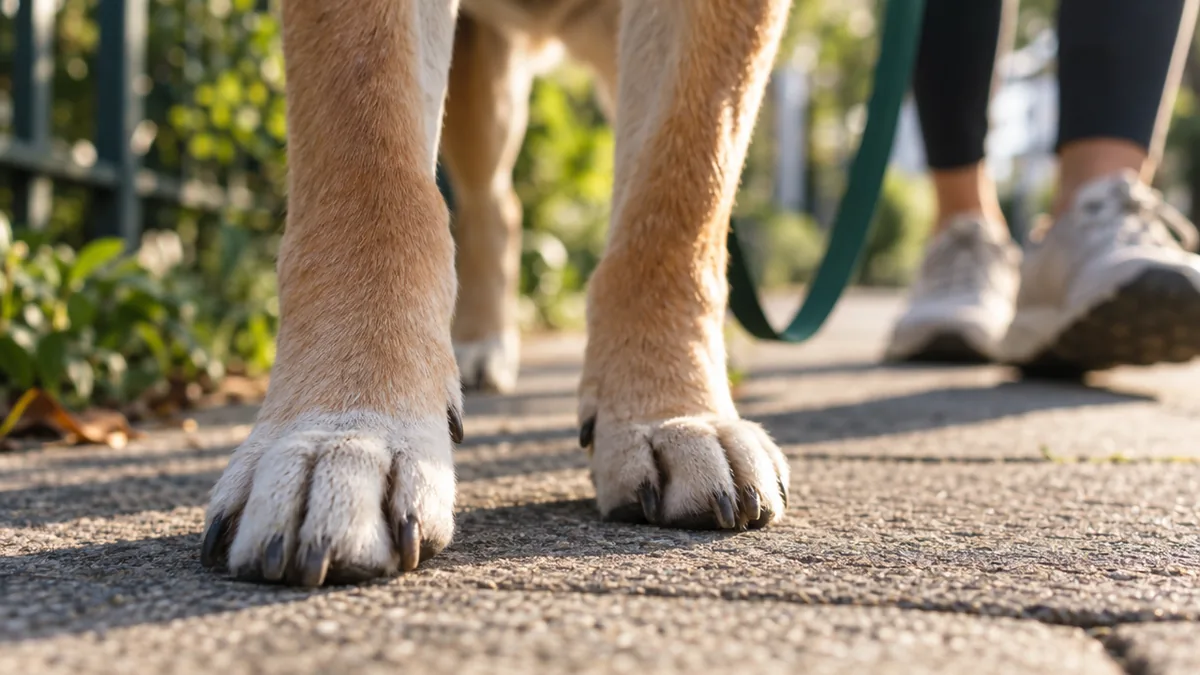
When wiping your dog's paws at the door after a walk, have you ever taken a really close look at their paw pads? Paws come into direct contact with hot asphalt, gravel, winter de-icers, and even broken glass. That's why you'll find so many different types of paw protection balms in the pet aisle.
But even if these products look the same, they serve different purposes. Wax-based products applied before a walk have a completely different use than moisturizing balms applied after a walk. And if the paw is actually injured, neither can replace a trip to the vet. Check these three things before you buy.
Front Labels Tell Different Stories
Those little tins might say "protect," "soothe," "moisturize," or "restore," but these terms aren't interchangeable.
| Front Label | What to Check on the Back |
|---|---|
| Protect | Whether it's for applying before outdoor activities, what kind of surfaces it's for, and if there are instructions to reapply. |
| Moisturizing | Conditioning ingredients like oils, butters, and waxes, plus application frequency and areas. |
| Soothing | Treat these as general paw care descriptions, not medical diagnoses, and check the ingredients and warning labels. |
| Recovery & Repair | Read the fine print carefully. Just because it's for rough paws doesn't mean it can be used on open wounds. |
| Antibacterial & medicinal claims | Paw balms are not veterinary medicines. Be skeptical of strong therapeutic claims. |
How to read the ingredient list
It's hard to understand every single ingredient, but it's much easier if you break it down into three main groups.
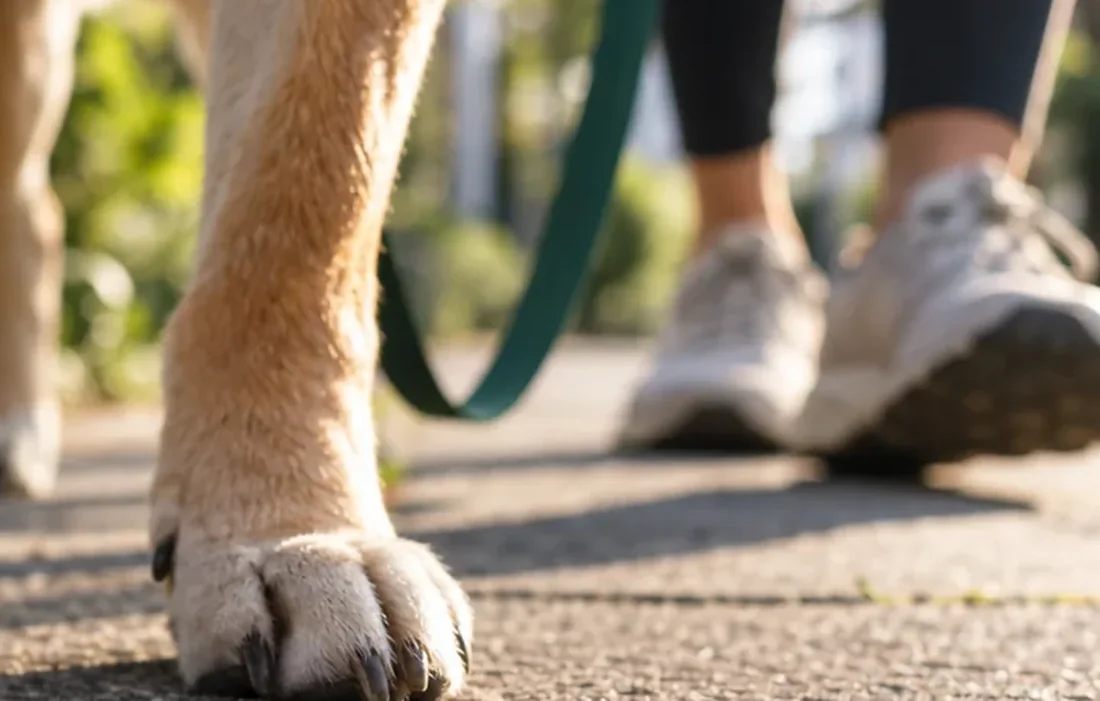
Waxes (beeswax, candelilla wax, carnauba wax, etc.) give the balm its solid texture and create a protective barrier on the surface. They make up a large portion of products marketed specifically for walks. However, balms don't replace shoes or make hot pavement safe. In the middle of summer, the priority is keeping your dog off the asphalt for long periods, even if you've applied balm. A widely used rule of thumb is to press the back of your hand against the pavement for about 7 seconds—if it's too hot for you, it's too hot for your dog.
Oils and butters (sunflower seed oil, olive oil, coconut oil, shea butter, etc.) act as conditioning agents to soften the skin. These ingredients are more relevant for post-walk care on intact but dry-looking paws.
Other ingredients (vitamin E, plant extracts, etc.) don't necessarily have therapeutic effects just because their names sound familiar. Rather than focusing on ingredient names, first check if the product is labeled for dogs, if the full ingredient list is disclosed, and if there are instructions on whether it's safe to lick.
Balms are tools to 'protect' paws, not medicines to 'cure' injured ones.
When is the right time to apply it?
If the product is specifically for walks, apply a thin layer right before heading out. If it's for post-walk moisturizing, it's generally best to apply it after washing and completely drying the paws. If the label has different instructions, follow those first. Applying too much can make their paws slippery or leave marks on the floor, so it's best to spread a small amount thinly.
These signs mean a vet visit, not more balm
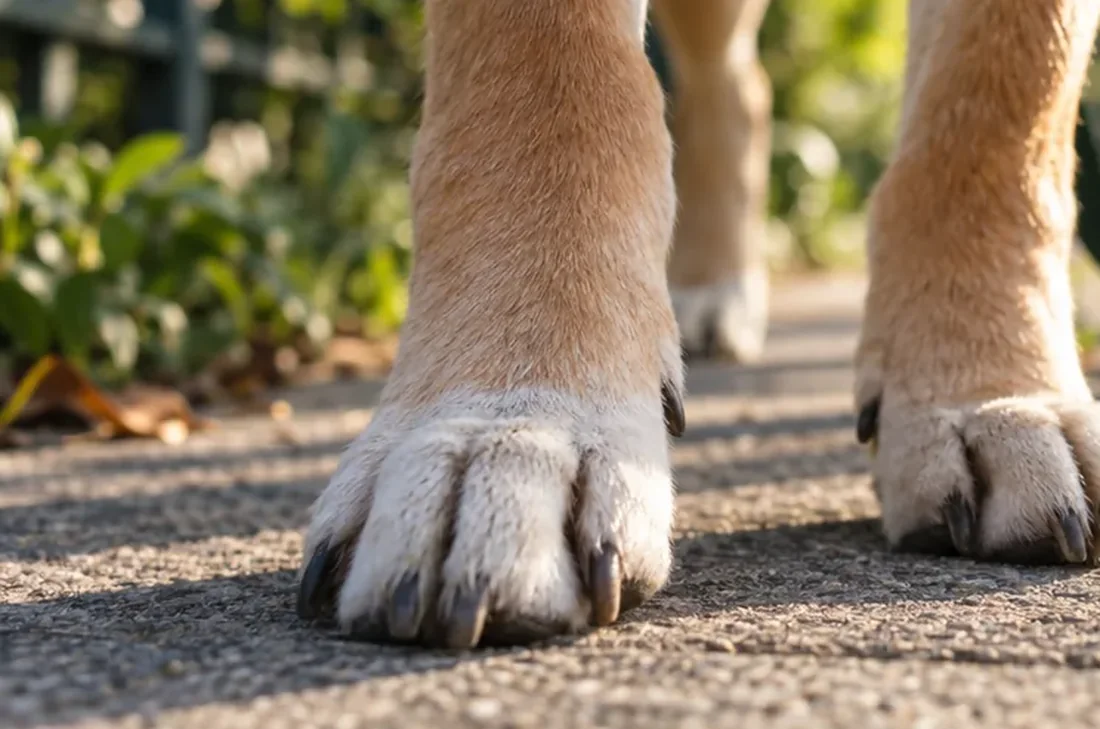
If the paws are bleeding, blistered, showing raw skin, severely swollen, or discolored, you don't need another layer of balm—you need a vet. The same goes if your dog continues to limp or keeps licking and chewing at their paws. Remember that paw care products are meant to maintain healthy paws.
This article provides a general explanation to help you understand product labels and does not guarantee the efficacy of any specific product. If you are concerned about your dog's paw health, consult a veterinarian.
 Pet Life
 Pet Life
 Pets
 Shot LedgerSame AI character, a fresh shot every time — offline shot planner + 16-page guide